You’ve seen it a thousand times: that taut, grid-like pattern of a chain-link fence. But have you ever stopped to wonder how it gets so tight and stays that way? It’s not magic—it’s mechanics. And the unsung hero of this entire system is a clever little piece of hardware called a tension band. It doesn’t just hold the fence up; it performs a brilliant bit of physics right on your post. Let’s pull back the curtain on how this works.

- Force Converter: A tension band’s main job is to transform pulling force into squeezing force.
- The Problem Solver: Without it, the fence fabric would sag like a loose sweater.
- Key Partners: It works as a team with a “tension bar” to grip the end of the chain-link mesh.
- The Magic Number: Using three bands per post spreads the force evenly for maximum strength.
- Location Specific: You’ll only find them on terminal posts (ends, corners, gates), not the posts in the middle.
- Simple Genius: It’s a classic example of smart, practical engineering solving a everyday problem.
Table of Contents
Introduction
The Problem: Why Fences Want to Sag
The Simple Genius of the Tension Band
It’s All About the Squeeze (Compression)
The Step-by-Step Process
Why Three Bands? The Power of Teamwork
Frequently Asked Questions (FAQs)
The Problem: Why Fences Want to Sag
Imagine trying to stretch a spring between two posts. The moment you let go, it would pull itself back together, sagging in the middle. Chain-link fabric acts the same way. It’s a flexible grid of metal that wants to stay relaxed.
When you stretch it tight across your yard, it creates enormous tension—a constant, invisible pulling force trying to bring the two end posts closer together. This force is strongest at the ends of the fence. If you just tied the fabric directly to a post, that relentless pull would eventually rip it away, loosen the knots, or bend the post itself. The fence needs a way to handle this pull, and that’s the problem the tension band is designed to solve.
The Simple Genius of the Tension Band
So, how does a tension band work? It’s all about redirecting force. Instead of fighting the tension, it uses it to its advantage.
The best way to understand it is with an analogy. Think of a guy-wire holding up a radio tower. The wire is in tension (pulling tight), and that pull creates compression (squeezing force) that pushes the tower down into the ground, making it more stable.
A tension band on a fence does the exact same thing. It takes the horizontal pull of the fabric and uses it to create a vertical squeezing force that locks everything together.
It’s All About the Squeeze (Compression)
Here’s the mechanical secret: Tension bands convert tensile force into compressive force.
This is the golden rule of how a tension band works. Let’s break down those terms:
- Tension: A pulling or stretching force (the fence fabric trying to contract).
- Compression: A squeezing or crushing force (what helps bond the fracture pieces together).
Bones heal best under compression. The tension band system creates this perfect healing environment by harnessing the muscle’s own force.
The Step-by-Step Process
Let’s follow the force through the fence to see how a tension band works on a chain link fence in action:
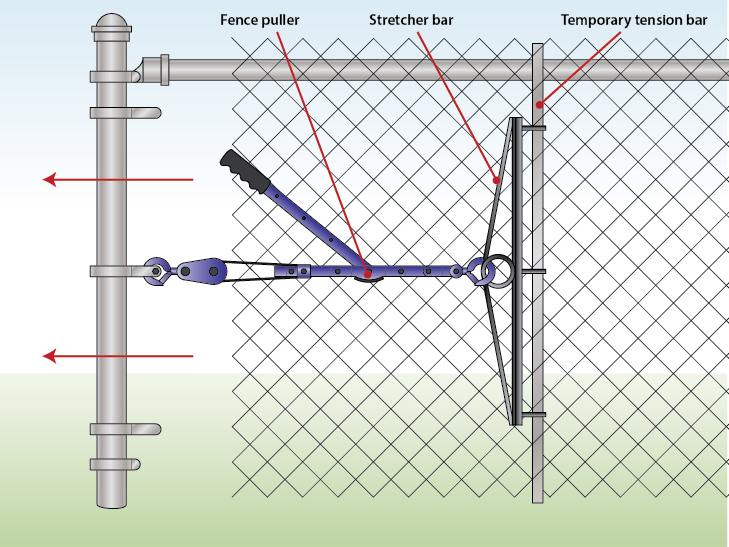
- The Pull: You use a tool called a “fence puller” to stretch the chain-link fabric tightly between two terminal posts.
- The Grip: The very end of the fabric is woven through a long, thin, flat metal bar called a tension bar. This bar gives the floppy fabric a solid backbone to pull on.
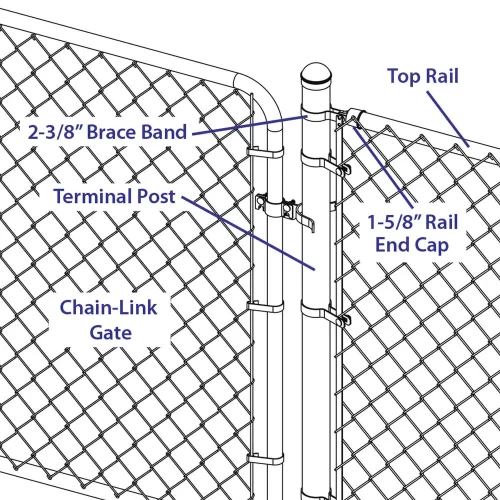
- The Anchor: This is where the tension band comes in. You slide three bands onto the terminal post and bolt the flat tension bar directly to them.
- The Conversion: Now, when the stretched fabric wants to pull back to its relaxed state, it yanks on the tension bar. The bar pulls outward on the tension bands.
- The Redirect: Because the tension bands are wrapped around the solid, immovable post, that outward pull is redirected. The bands act like a lever, forcing the tension bar (and the end of the fabric) inward, squeezing it tightly against the post.
The relentless pulling force is now working for you, clamping the entire assembly together instead of pulling it apart.
Table: Force Transformation at the Post
| Force Type | What It Is | How the Tension Band Handles It |
|---|---|---|
| Tension (The Problem) | The fabric pulling inward, trying to sag. | Redirects this force into a helpful, stabilizing force. |
| Compression (The Solution) | The fabric being squeezed against the post. | Uses the tension to create this compression, locking the system solid. |
Why Three Bands? The Power of Teamwork
You might wonder why we use three tension bands and not just one big one. It’s all about distribution.
One band would concentrate all that immense force on a single, small point on the post. This could easily bend the band, break the bolt, or even dent the post itself. Using three tension bands spreads the pulling force evenly along the height of the tension bar. This:
- Preoints the stress.
- Creates a wider, more stable base of support.
- Ensures the tension bar stays perfectly straight and flush against the post.
It’s a simple way to make the connection vastly stronger and more durable.