Let’s be clear about one thing from the start. The dream of a beautiful plant that acts as a silent, magical forcefield against mosquitoes is just that—a dream. You can’t just plant a few specimens in the corner of your yard and expect the biting to stop.
The real truth is more powerful, and it puts you in control. The magic isn’t in the plant itself, but in the potent essential oils locked within its leaves, stems, and flowers. Your job isn’t just to grow them; it’s to release those oils. This guide isn’t another generic list. It’s a strategic manual that separates horticultural hope from entomological fact, giving you a clear, actionable plan to reclaim your outdoor space, naturally.
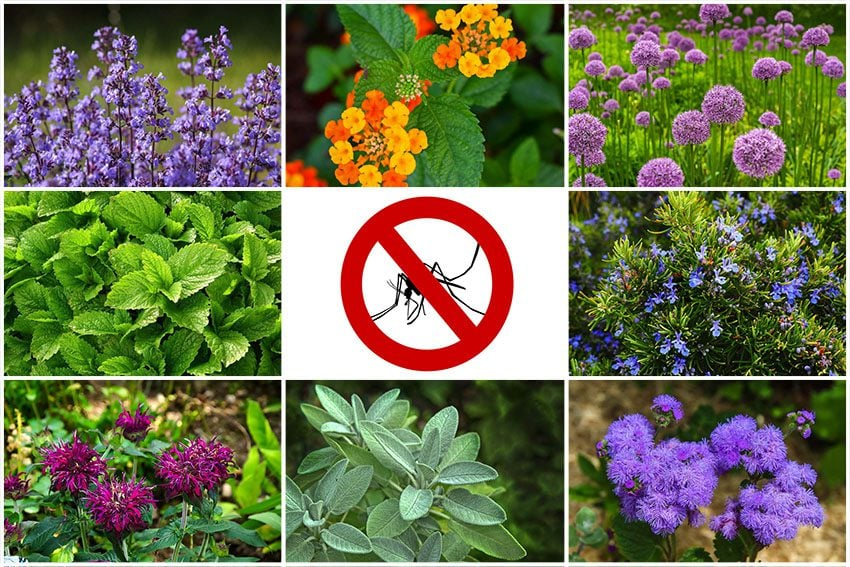
Quick Summary: Key Takeaways
- No Magic Forcefield: Plants only repel mosquitoes when their essential oils are released. This requires you to brush against, crush, or rub their leaves.
- The Power is in the Oil: Effective plants contain specific compounds—like citronellal, linalool, and thymol—that mask our scent and irritate mosquitoes.
- Location is Everything: To be effective, these plants must be placed in high-traffic areas: along walkways, near seating areas, and around doorways.
- Citronella Grass is the King, Not the “Scented Geranium”: The true, powerful citronella plant is Cymbopogon nardus, a grass. The “mosquito plant” sold in pots (Pelargonium citrosum) is far less effective.
- Science Backs Catnip: Studies show the nepetalactone in catnip can be more effective than DEET, but beware—it’s highly invasive and will attract every cat in the neighborhood.
- Create a Multi-Layer Defense: Use a combination of plants, fans to disrupt flight, and the diligent removal of standing water for a truly effective strategy.
- Your Garden is a Toolbox: Think of these plants as living ingredients for rubs, sprays, and planters that provide localized, personal protection.
Table of Contents
- The Uncomfortable Truth: Why Your Mosquito Plants Aren’t Working
- The Science of Scent: How Plants Actually Repel Mosquitoes
- The Top-Tier Mosquito Repellent Plants: A Detailed Profile
- The Mosquito Plant Comparison Table
- Strategic Gardening: Designing Your Mosquito-Repellent Landscape
- Beyond the Garden: Homemade Repellents and Pro Tips
- Frequently Asked Questions (FAQ)
The Uncomfortable Truth: Why Your Mosquito Plants Aren’t Working
You bought the citronella plant from the garden center, placed it proudly on your patio table, and… still got eaten alive. Why? Because the plant’s defense mechanisms are passive. The essential oils that repel insects are safely stored inside tiny glands in the leaves. Without a trigger, they remain locked away.
A 2017 review published in the Journal of Pest Science analyzed numerous studies on “mosquito repellent plants” and concluded that while the essential oils are potent when extracted, the living plants themselves have a very limited spatial effect. The protection radius of a single potted plant is measured in inches, not feet. The mosquitoes aren’t being repelled from your entire yard; they’re simply avoiding the specific leaf you just brushed up against. Understanding this fundamental principle is the first step to using these plants effectively.
The Science of Scent: How Plants Actually Repel Mosquitoes
Mosquitoes are scent hunters. They use their antennae to detect the carbon dioxide we exhale and the lactic acid on our skin. Repellent plants work in two key ways:
- Masking: The volatile compounds released by the plants create a powerful aromatic cloud that can help mask the human scents that mosquitoes are searching for. It’s like trying to hear a whisper in a loud room.
- Direct Repulsion: Many of these essential oils, like thymol from thyme or eucalyptol from rosemary, are directly irritating or toxic to mosquitoes’ sensitive nervous and olfactory systems. They simply avoid flying through areas saturated with these smells.
The key takeaway is that disruption is the goal. You are using these plants to disrupt the mosquito’s ability to find you.
The Top-Tier Mosquito Repellent Plants: A Detailed Profile
Here are the most effective plants, categorized by their use case and potency.
The Heavy Hitters (Proven and Potent)
- Citronella Grass (Cymbopogon nardus):
- The Deep Dive: This is the source of commercial citronella oil. It’s a clumping grass that can grow over 6 feet tall. It’s not the pretty, flowering “citronella geranium” (Pelargonium citrosum), which has a much lower oil content.
- How to Use It: This is a plant you actively harvest from. Cut a blade of grass, crush it between your fingers, and rub the oil directly onto your skin or clothing. It’s the most direct way to use a living plant for personal protection.
- Growing Tip: It’s a tropical plant, so in most climates, it’s best grown in a large pot that can be brought indoors for the winter.
- Catnip (Nepeta cataria):
- The Deep Dive: A 2021 study from Northwestern University reaffirmed that the essential oil nepetalactone is remarkably effective at repelling mosquitoes. It’s a powerhouse.
- How to Use It: Crush the leaves vigorously. However, this plant is highly invasive and will take over your garden if not container-grown. It also acts as a feline magnet, which may or may not be a desired side effect.
- Growing Tip: Always grow in a container to control its spread and protect it from neighborhood cats.
The Culinary Defenders (Double-Duty Herbs)
- Rosemary (Rosmarinus officinalis):
- The Deep Dive: Its strong, woody scent comes from camphor and verbenone, compounds mosquitoes dislike. It’s also drought-tolerant and thrives in hot, sunny conditions where mosquitoes are prevalent.
- How to Use It: Plant it in borders along paths where brushing past releases the scent. You can also toss clippings onto your grill or fire pit; the smoke will carry the repellent oils into the air.
- Growing Tip: Prefers well-draining soil and full sun. Can be pruned into attractive, shrubby shapes.
- Basil (Ocimum basilicum):
- The Deep Dive: The strong aroma, especially from pungent varieties like Thai Basil, Cinnamon Basil, or Lemon Basil, is highly effective at repelling mosquitoes.
- How to Use It: The perfect patio plant. Keep several pots on your outdoor dining table. As you reach over to pluck leaves for your salad or meal, you’ll naturally bruise the plant and release its protective oils right where you need them.
- Growing Tip: Loves heat and consistent moisture. Pinch off flower heads to encourage leaf production.
The Aromatic Guardians (Fragrant and Beautiful)
- Lavender (Lavandula spp.):
- The Deep Dive: The classic, calming scent of lavender, rich in linalool, is pleasant to us but overwhelming to mosquitoes. It’s also drought-resistant and deer-resistant.
- How to Use It: Plant it along the border of a patio or walkway. You can also dry the flowers and make small sachets to place in outdoor furniture cushions or hang from pergolas.
- Growing Tip: Requires full sun and excellent drainage. Avoid overwatering.
- Marigolds (Tagetes spp.):
- The Deep Dive: Marigolds contain pyrethrum, a compound used in many organic insecticides. The scent is offensive to a variety of pests, including mosquitoes.
- How to Use It: Use them as a colorful, protective edging around vegetable gardens or seating areas. Interplant them with your tomatoes and peppers for a double benefit.
- Growing Tip: They are easy to grow from seed and bloom all season long.
The Mosquito Plant Comparison Table
| Plant | Key Repellent Compound | Potency | Best Use Case | Maintenance |
|---|---|---|---|---|
| Citronella Grass | Citronellal, Geraniol | High | Personal Rubs, Large Planters | Medium (needs winter care) |
| Catnip | Nepetalactone | Very High | Container Plant for Crushing | Low (but invasive) |
| Rosemary | Camphor, Verbenone | Medium-High | Path Borders, Herb Garden | Low |
| Basil | Eugenol, Citronellol | Medium | Patio Table Centerpiece | Medium |
| Lavender | Linalool | Medium | Garden Borders, Dried Sachets | Low |
| Marigolds | Pyrethrum | Medium | Garden Edging, Companion Planting | Low |
Strategic Gardening: Designing Your Mosquito-Repellent Landscape
Don’t just scatter these plants randomly. Think like a strategist creating layers of defense.
- The Perimeter Defense: Plant taller, shrubby varieties like Rosemary and Citronella Grass along the edges of your yard or patio to create a first line of defense.
- The Activity Zone: This is your primary seating and dining area. This is where container gardening shines. Fill pots and planters with a combination of Basil, Lavender, and Scented Geraniums and place them directly on the patio or deck. Every time you move around, you’ll activate them.
- The Traffic Lane Defense: Plant low-growing, fragrant plants like Corsican Mint or Thyme between patio stones or along walkways. Stepping on them releases a burst of scent.
- The Ultimate Combo Planter: Create a “Mosquito Defense” container. Use a large pot and plant a centerpiece of Citronella Grass, surrounded by trailing Rosemary and a few Basil plants. It’s beautiful, fragrant, and functional.
Beyond the Garden: Homemade Repellents and Pro Tips
To maximize your success, integrate these plants into a broader strategy.
- The Simple Rub: The easiest method. Pick a leaf of Citronella Grass, Rosemary, or Basil, crush it thoroughly between your palms, and rub it on your skin (do a patch test first for sensitivity).
- The Herb Bundle: Gather sprigs of fresh Rosemary, Thyme, and Mint. Tie them into a bundle with twine. To use, lightly bruise the bundle and place it next to you, or toss it onto hot coals for a repellent smoke.
- The Critical Partner: A Fan. Mosquitoes are weak fliers. A simple box fan or oscillating fan placed in your seating area is often more effective than any plant. It disperses the carbon dioxide you exhale and creates wind too strong for them to fly in.
- Eliminate Breeding Grounds: This is non-negotiable. Empty any container that holds water for more than a week—bird baths, plant saucers, clogged gutters, and kids’ toys.
Frequently Asked Questions (FAQ)
- Are mosquito-repellent plants safe for my dogs and cats?
While many are safe, some can be toxic. For example, essential oils from citronella can be irritating to cats. Always research pet safety, and when in doubt, place plants out of reach. - Can I grow these plants indoors to repel mosquitoes inside?
Yes, but the same rules apply. They need to be placed where you will brush against them (e.g., on a sunny windowsill) to be effective. They won’t purify the air in an entire room. - Which plant repels the most mosquitoes, according to science?
In laboratory studies, Catnip and Citronella Grass consistently show the highest potency due to their concentrated essential oils. - Do I need to crush the leaves every single time?
For immediate, personal protection, yes. However, wind, rain, and general activity will provide a low level of passive release. - What plants actually attract mosquitoes that I should avoid?
Mosquitoes are attracted to the nectar of some plants, but it’s not a major factor. The bigger attractors are water-loving plants in stagnant water like water lilies in a non-circulating pond. - How many plants do I need for a standard-sized patio?
There’s no magic number, but a good rule of thumb is to surround the area with several large planters and ensure there are plants within 3-5 feet of where people sit. - Can I use these plants to repel ticks as well?
Some, like Rosemary and Lavender, have shown some tick-repelling properties, but the evidence is not as strong as for mosquitoes. Focus on proven tick control methods for your yard. - Why does the crushed plant method seem to stop working after an hour?
The essential oils evaporate. This is why commercial repellents use formulations to extend the release. Reapplication is necessary, just like with any natural product. - Is it better to use the plant’s essential oil instead of the live plant?
For maximum efficacy and duration, yes. Diluted essential oils applied to the skin are far more effective and longer-lasting than relying on crushing leaves. - What’s the best mosquito-repellent plant for a shady, damp area?
Most of these plants require full sun. In shade, your best bets are Lemon Balm (Melissa officinalis) and Bee Balm (Monarda didyma), but they will be less vigorous and require more crushing to be effective.

