Plus: a practical, tested How-To for “Can you cook rice in an air fryer?” (single-serve recipe + troubleshooting)
Short version: for a single person, pick a 2–3 quart (≈1.9–2.8 L) air fryer for everyday meals; 1–1.5 qt if you only reheat snacks, 3–4 qt if you sometimes cook for guests or want to fit a small baking dish. The shape (wide & shallow > tall & narrow) matters more than the sticker capacity.
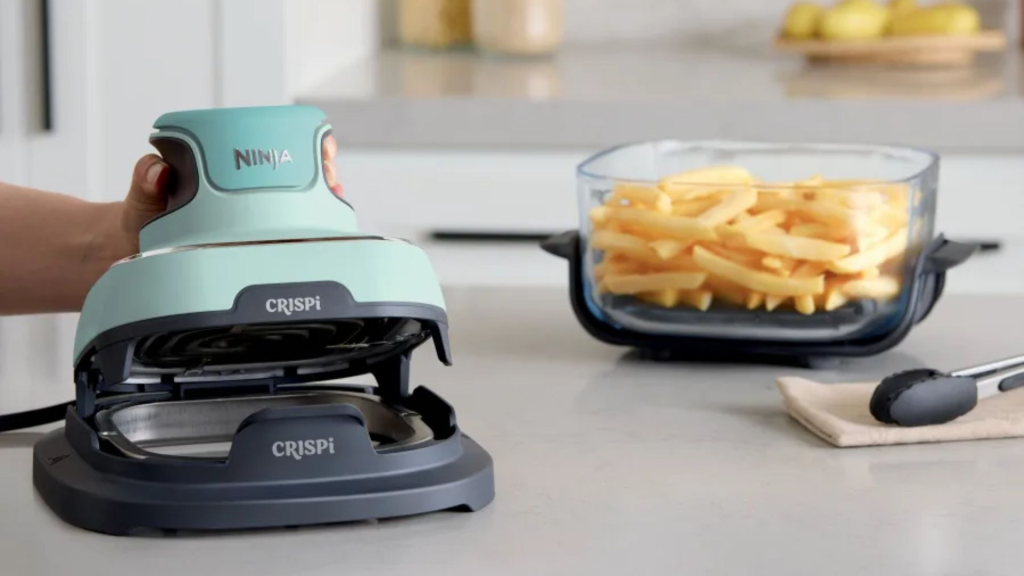
Why this guide exists (and how to use it)
You landed here because you want a clear buy decision and practical cooking guidance — not vague filler. This article merges: (A) practical buyer rules for solo households, (B) how different capacities behave in real cooking, and (C) a step-by-step, single-serve method for cooking rice in an air fryer (yes — with caveats). The goal: after reading you’ll know which compact model to choose, how to use it confidently, and whether an air fryer should replace a rice cooker in your kitchen.
Quick primer: capacity rules for a solo cook
- Best everyday size: 2–3 quarts (≈1.9–2.8 L) — fits a chicken breast, 1–2 portions of fries, or a small cake pan for rice/veg. It’s compact, energy-efficient, and versatile.
- If you only reheat or snack: 1–1.6 qt — tiny, portable, great for dorms.
- If you want one appliance to do more (toast, bake): 3–5 qt or a small toaster-oven style — more useful but bulkier. Food editors often recommend oven-style combos for broader capability.
Important nuance: manufacturers advertise capacity in quarts/cubic inches, but usable cooking surface (width + depth) and airflow matter more than the number on the box. A wide 2-qt basket can outperform a tall 3-qt basket for even crisping.
Compact capacity cheat-sheet (what fits)
| Capacity (qt) | Approx. liters | What you can realistically cook | Best for |
|---|---|---|---|
| 1.0–1.6 qt | 0.9–1.5 L | single snack, reheating, 1–2 small frozen items | dorm/office |
| 2 qt | ~1.9 L | 1 chicken breast, 1 small potato, small batch fries | solo everyday |
| 2–3 qt | 1.9–2.8 L | 1–2 portions, small baking dish (for rice), 2 fillets | most singles |
| 3–5 qt | 2.8–4.7 L | family meals for 2–3, small roast, multi-item trays | occasional hosting |
Can you cook rice in an air fryer?
Short answer: Yes — you can cook rice in an air fryer, but not the same way you use a rice cooker. You must cook rice covered in an oven-safe dish, using a higher water ratio and longer time; expect extra attention to sealing and resting. For many people a rice cooker or Instant Pot remains easier and more consistent, but air-fryer rice works fine for a single serving when you want to avoid a second appliance.
Below is a tested, single-serve method (quantities, temp, and troubleshooting), plus two alternative approaches and pro tips.
How-To: cook single-serve rice in a 2–3 qt air fryer (step-by-step)
Yield: 1 serving cooked rice (about 1 to 1¼ cups cooked)
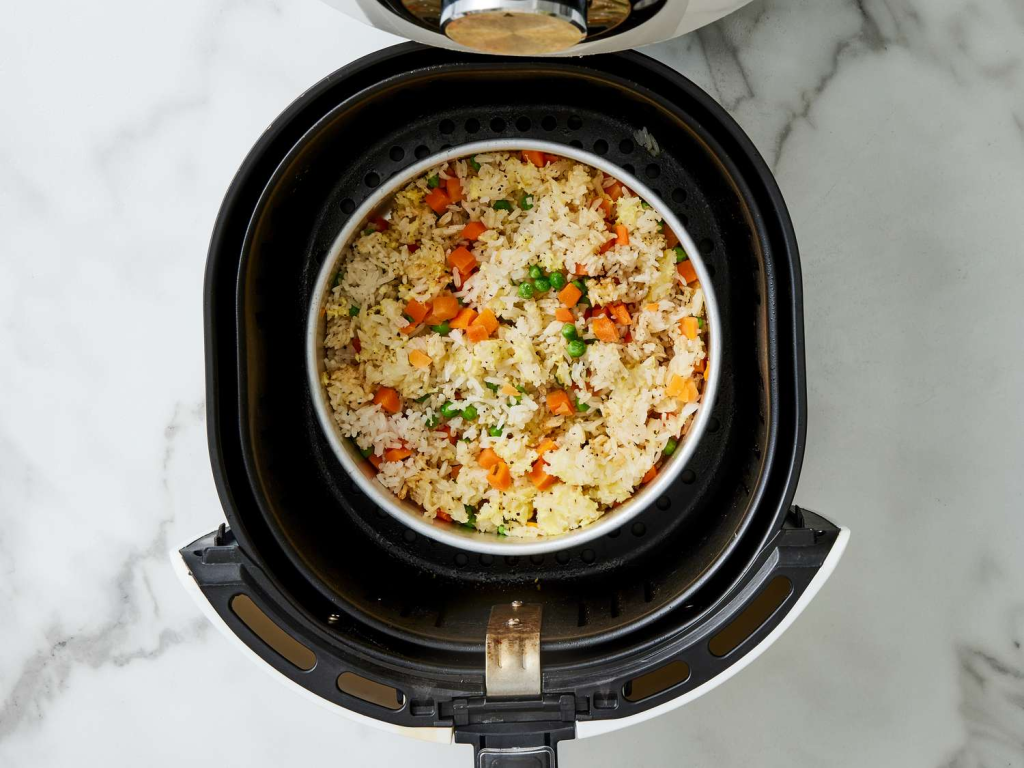
Ingredients & tools
- ½ cup long-grain white rice (jasmine or basmati works well) — ~95 g
- ⅝ cup (about 150 ml) room-temperature water — use a 1 : 1.25 rice : water ratio for rinsed rice (adjust if not rinsed).
- Pinch of salt, 1 tsp oil (optional; helps prevent sticking)
- Oven-safe dish that fits into your air fryer basket (a 4–5 inch round cake pan or small Pyrex works well), or an enamel/metal ramekin at least 2.5 in deep
- Heavy duty aluminum foil or an oven-safe lid
- Oven mitts
Method
- Rinse the rice under cold water until the rinse water runs nearly clear (removes surface starch; improves texture). Drain well. (30–60 seconds)
- Combine rice + 150 ml water + pinch salt + 1 tsp oil in the oven-safe dish. Stir once to level.
- Seal tightly with heavy foil (double layer) or a snug lid. The seal is the critical step — it traps steam so the rice can hydrate rather than dry out.
- Preheat the air fryer to 300°F (≈150°C) for 3–5 minutes (if your model requires preheat). Some recipes use 350–385°F; lower temps reduce surface drying. I recommend 300°F for consistency.
- Cook at 300°F for 28–35 minutes (time depends on dish depth and how tightly it’s sealed). For the small single-serve dish plan on ~30 minutes.
- Turn off the air fryer and leave the sealed dish inside for 10–15 minutes (carryover steam finishes the cook). Do not open during this time. This resting step is essential for even hydration.
- Uncover carefully, fluff with a fork, and serve.
Results & what to expect
- Texture: typically slightly firmer than rice from a rice cooker; if you prefer softer rice, increase water to ~0.75 cup per ½ cup rice and extend rest time.
- Browning/crust: if the top is exposed to hot air (poor seal), edges can crisp; a good seal prevents this.
- Cleanup: dish + foil only — easy.
Two other workable methods (pros/cons)
- Foil pouch (sealed packet): put rice + water in a heavy foil packet, crimp tightly. Pros: very little cleanup; cons: harder to monitor seal integrity and risk of puncture. (Good if you lack oven-safe dish.)
- Steaming rack + covered bowl: place bowl on a small rack so air circulates under the dish; cover with foil. Good for deeper bowls; cons: takes more space and a deeper fryer.
Practical tips and troubleshooting (don’t waste time)
- Seal matters most. If steam escapes, rice dries and cooks unevenly. Use tight foil or a fitting lid.
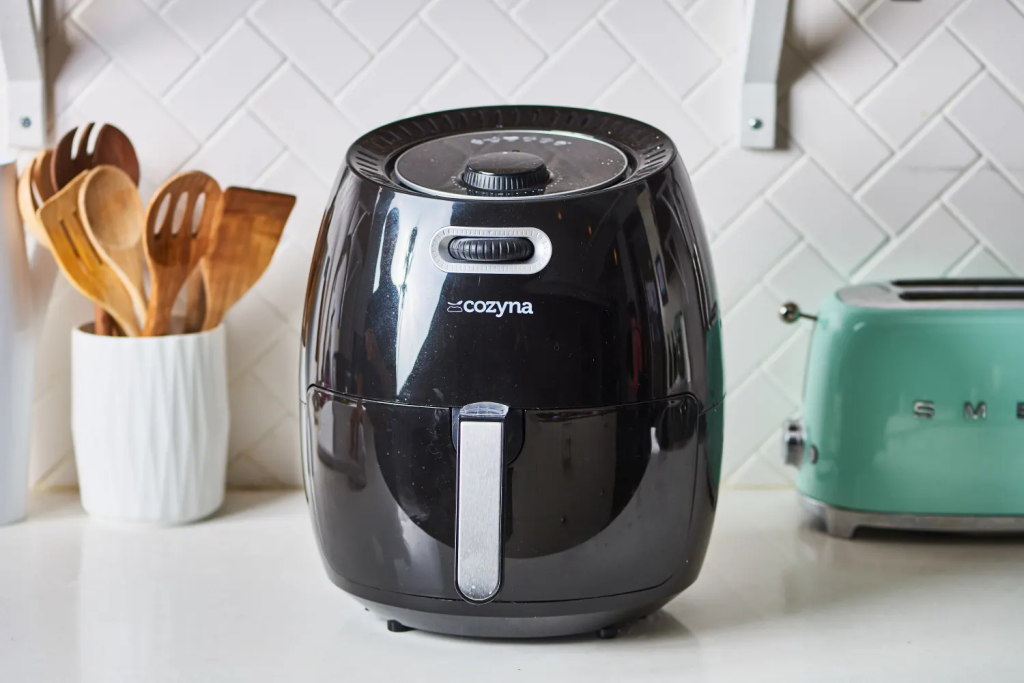
- Use the right vessel. Thin metal pans heat differently than glass; glass holds heat and helps even cooking. For single-serve, a small Pyrex or ceramic ramekin is ideal.
- Calibrate for your air fryer. Temperatures and airflow vary. Test with ½ cup rice once and note the texture/time; adjust for your model.
- Don’t overfill. A shallow layer of rice+cooking liquid cooks more reliably than a deep pot in an air fryer.
- If you get crunchy centers: add a few tablespoons of hot water, reseal, and continue cooking 5–8 minutes.
- If surface scorches: reduce temperature 10–20°F and extend cook time.
Safety note: some recipe lists and reputable sources caution that rice/grains aren’t ideal in air fryers due to the appliance’s convection design — successful results depend on sealing and proper vessel choice. For consistent, hands-off rice, a rice cooker or Instant Pot is still the simplest option.
When you shouldn’t cook rice in an air fryer
- If you need large quantities. Air fryers are small ovens; they’re not efficient for big batches.
- If you want perfectly sticky/sushi rice — textures differ.
- If you don’t have an oven-safe covered vessel or your unit’s basket prevents a good seal.
Quick tested comparison: 2 qt vs 3–4 qt for rice & single meals
- 2-qt (compact basket): best for single servings and reheats; fits a small baking dish for rice but tight — use shallow pans.
- 3–4 qt: more forgiving — deeper pans, easier to cook rice and one-pan meals without crowding. If rice cooking is important, lean to the larger end of “solo” sizes. (Insights from small-air-fryer test reviews and editor picks.)
Single-serve rice + quick meal idea (complete plate)
- Air-Fryer Rice (½ cup uncooked) (follow method above)
- Pan-seared salmon filet (seasoned, 8–10 min at 380°F) — cook in same fryer on a small rack after rice rests (use foil to avoid cross-flavor).
- Air-fried asparagus (6–8 min at 380°F) — toss with 1 tsp oil, salt, pepper.
This workflow yields a full, balanced solo meal with minimal pans and about 35–45 minutes total.
Buying checklist for a solo-cook air fryer
- Capacity: pick 2–3 qt for most singles.
- Footprint & height: measure counter/cabinet space — some models are tall and won’t fit under cabinets.
- Dish shape: wider & shallower baskets give better browning.
- Accessories: included baking pan or rack makes rice/one-pan easier.
- Controls: temperature increments to 5°F and a timer that goes to at least 60 minutes.
- Cleanup: dishwasher-safe basket/coating.
- Power: 800–1500W typical — ensures fast heat.
- Warranty & reviews: look for reliability and good customer support. Top media picks and lab tests are useful when comparing models.
Quick model guidance (what editors and testers often recommend)
- Ninja AF series / Ninja Foodi (compact versions) — solid all-around performers, multiple functions; good mid-sized picks for singles who want flexibility.
- Chefman / Dash — budget compact models that work well for snacks and single portions (2 qt variants).
- Instant Vortex / Instant-brand toaster ovens — for those who want toaster-oven capability + air frying.
(When writing product pages, add Product schema and up-to-date price data — testers recommend re-checking specs before publishing.)
FAQ (short)
Q: Are all air fryer baskets nonstick?
A: No — some baskets have nonstick coating, others are plain stainless or enamel. Nonstick is easier to clean but can wear over time; metal or enamel baskets stand up better to metal utensils and high heat.
Q: Can I use parchment paper in an air fryer?
A: Yes, but only with food on top of it. Loose paper can lift into the heating element and burn. Use perforated parchment made for air fryers or cut a small piece that matches the basket size.
Q: My air fryer smokes — what’s the fix?
A: Smoke usually comes from dripping fat hitting the heating element. Clean accumulated grease, use a drip tray if available, and pat excess oil off fatty foods before cooking.
Q: Is it OK to stack accessories in the basket?
A: Avoid stacking food directly. You can use a small rack to create two layers, but crowding restricts airflow and hurts crisping — better to batch-cook.
Q: Will marinades cause flare-ups?
A: Thick, sugary marinades can scorch and smoke. Pat food dry before cooking or brush on marinades toward the end of the cook to avoid burning.
Q: Can I use metal skewers in an air fryer?
A: Yes — metal skewers are safe. Use caution removing them (they get very hot) and ensure they don’t touch heating elements or the basket walls.
Q: How do I remove stubborn burnt-on gunk?
A: Soak the basket in hot soapy water, then use a non-abrasive scrub pad or a nylon brush. For stubborn spots, a paste of baking soda and water left for 15–20 minutes helps lift residue.
Q: Are air fryers energy-efficient?
A: Generally yes for small batches — they heat quickly and cook fast. For long roasts or very large dishes, a conventional oven may be more efficient.
Q: Do air fryers need ventilation around them?
A: Yes — leave a few inches of clearance on all sides so heat can dissipate. Avoid enclosing the unit in a tight cabinet while running.
Q: Can I use my air fryer to dry herbs or make jerky?
A: Many models can dehydrate at low temperatures, but results vary. Use thin, uniform slices and a rack for even airflow; check your manual for low-temp settings.
Q: Is it safe to run an air fryer on an extension cord?
A: It’s not recommended — high-wattage appliances can overload light-duty cords. If necessary, use a heavy-duty cord rated for the appliance’s amperage and keep it short.
Q: Why does my food sometimes cook unevenly?
A: Common causes are overcrowding, unevenly sized pieces, or a warped basket. Tossing or flipping midway usually fixes it.
Q: Can I reheat leftovers in an air fryer?
A: Yes — air fryers restore crispness better than microwaves for many foods. Keep times short and check often to avoid drying out.
Q: Will acidic foods damage the basket coating?
A: Prolonged contact with highly acidic foods (vinegar, citrus) can wear nonstick coatings over time. Don’t marinate acidic mixtures in the basket for hours.
Q: How noisy are air fryers?
A: Most produce a steady hum from the fan. Quietness varies by model; consumer reviews are a good place to judge noise before buying.
Q: Can I use silicone molds in an air fryer?
A: Yes — make sure they’re oven-safe and rated for the temperatures you’ll use. Silicone is great for small cakes and egg cups.
Q: What should I do if the control panel stops responding?
A: Unplug the unit for a minute, then plug it back in. If that fails, consult the manual — many brands offer a simple reset or require service.
Q: Is it normal for the air fryer to smell new when first used?
A: Yes — a light odor during the first few uses is common as manufacturing residues burn off. Run the unit empty at a medium temp for 10–15 minutes, then ventilate.
Q: Can I leave my air fryer plugged in all the time?
A: It’s safer to unplug when not in use. Leaving small appliances plugged in can pose electrical risk and uses standby power.
Q: Are replacement parts easy to find?
A: Availability depends on the brand. Big-name manufacturers generally sell baskets, racks, and trays; budget brands may not. Keep the model number handy when shopping.
Q: How do I avoid cross-flavor between fish and desserts?
A: Cook strongly scented foods like fish last, or use foil/liners when feasible. Washing removable parts between cooks eliminates lingering odors.
Q: Is it OK to leave the door/basket open after cooking?
A: Briefly opening to cool is fine, but don’t leave the unit unattended with a hot, open basket — small hands or pets could be burned. Let it cool on a heat-safe surface.

