Let’s be honest. Finding a truly great bottle of Cabernet Sauvignon without spending a small fortune can feel like a guessing game. You’re past the generic supermarket shelves, but you’re not looking to drop hundreds on a collector’s item. You want a bottle that delivers complexity and satisfaction—something that makes a Tuesday steak feel like a celebration, or that impresses your friends without requiring a second mortgage.
You’re asking the right question: What is the best Cabernet Sauvignon under $100?
Here’s the thing: the $50 to $100 range is where you find the sweet spot. You’re paying for the wine in the bottle, not just the fancy label or the hype. In this guide, we’re cutting through the noise. We’ve combined professional tastings, critical scores, and real-world user feedback to give you a curated list of wines that consistently over-deliver. Think of us as your personal wine buyer—we have no affiliations with any winery, so our recommendations are based purely on quality and value.
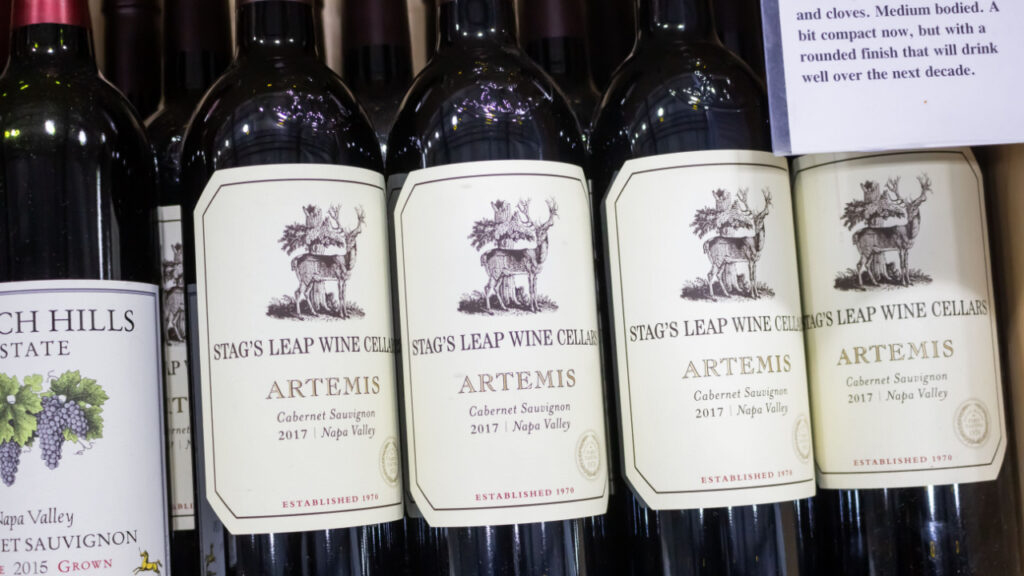
Your Cabernet Connoisseur’s Checklist: How to Choose with Confidence
Before we get to the bottles, let’s talk strategy. Knowing what to look for turns you from a passive browser into an informed buyer. It’s about understanding the key levers that drive quality in a Cabernet.
1. The Structure: Tannin, Acidity, and Body
Think of a Cabernet’s structure like the frame of a building. It’s what holds everything together.
- Tannins: These are the natural compounds that create a drying, gripping sensation in your mouth. In a young, budget Cabernet, tannins can be harsh. In a well-made one, they’re firm but polished—like fine-grained sandpaper versus rough lumber. They’re what allow the wine to age and what stand up to a juicy steak.
- Acidity: This is the wine’s backbone and liveliness. Good acidity keeps the wine from feeling flabby or heavy. It makes your mouth water and keeps each sip feeling fresh.
- Body: This is the weight and texture of the wine on your palate. Is it light like skim milk, or full-bodied like heavy cream? Under $100, you should be looking for medium to full-bodied wines that have a rich, substantial feel.
2. The Flavor Map: Understanding Terroir
Where the grapes are grown is the single biggest factor in a wine’s style. Let’s break it down:
- Napa Valley, USA: The classic, powerful style. Expect ripe, dark fruit flavors (blackberry, cassis), often with notes of vanilla, chocolate, and mint from oak aging and the local climate. These are bold, opulent wines.
- Bordeaux, France: The original. Here, Cabernet is often blended with Merlot and Cabernet Franc for complexity. The style is more about earth, tobacco, pencil shavings, and structured elegance than upfront fruit. It’s a thinker’s wine.
- Coonawarra, Australia & Maipo Valley, Chile: These are the value powerhouses. Coonawarra is famous for its unique “terra rossa” soil, producing Cabs with intense dark fruit and a distinct minty or eucalyptus note. Chile offers incredibly polished and ripe wines, often with a savory edge, at unbeatable prices.
3. The Vintage Code
The year on the label matters. A great vintage means optimal weather, which leads to riper fruit, better balance, and more age-worthy wines. For Napa, recent stars are 2016, 2018, and 2019. A quick search for “[Region] vintage chart” before you buy can help you snag a bottle from a great year.
4. The Blending Secret
Don’t be wary of blends. A “Bordeaux-style blend” isn’t a compromise; it’s a sign of a winemaker’s skill. A touch of Merlot can soften tough tannins, while Cabernet Franc can add beautiful aromatic notes. Blending is a tool for creating a more complex and harmonious final product.
The Curated Selection: Top Cabernets Under $100, Categorized by Style
This isn’t just a list of good wines. It’s a strategic portfolio, with a bottle for every specific need and occasion.
The Crown Jewel: Best Overall
Caymus Vineyards Cabernet Sauvignon, Napa Valley
If there’s one wine that defines the “Napa style” for a global audience, it’s Caymus. It consistently delivers a luxurious experience that is both powerful and approachable.
- Why It Wins: Caymus has mastered the art of balance. It’s incredibly rich and fruit-forward but avoids being overly heavy or alcoholic. Its signature supple texture makes it enjoyable young, but it has the structure to age gracefully for a decade or more. It’s the ultimate “safe bet” for a guaranteed crowd-pleaser.
- Tasting Profile: A cascade of ripe dark berries, black cherry, and cassis, wrapped in layers of vanilla, chocolate, and a hint of sweet oak. The tannins are present but feel velvety and smooth.
- The Practical Take: This is your go-to for a major celebration, an impressive gift, or when you want to experience what all the fuss is about. It’s a benchmark.
- Critic Consensus: Consistently scores 92-95 points from major publications.
The Value Champion: Best Bang for Your Buck
Justin Cabernet Sauvignon, Paso Robles
From the sunny hills of Paso Robles, Justin proves that world-class Cabernet doesn’t have to come from Napa. It delivers a premium experience that routinely shames bottles twice its price.
- Why It Wins: This wine is all about drinkability and smart sourcing. It offers a robust, balanced profile with genuine complexity. It’s the bottle you can buy by the case for everyday drinking without a second thought, yet it’s solid enough to anchor a dinner party.
- Tasting Profile: Ripe flavors of black cherry and currant are complemented by notes of mocha, toasted oak, and a touch of spice. The tannins are polished, making it instantly enjoyable.
- The Practical Take: This is the workhorse of your wine rack. It’s the perfect answer to “What should we drink tonight?” and consistently earns a “Wow, this is good for the price!” reaction.
- Critic Consensus: A perennial 90+ point scorer and a staple on “Best Buy” lists.
The Old World Aristocrat: Best Bordeaux Value
Château Gloria, Saint-Julien, Bordeaux
For those who find Napa Cabs too bold and fruit-driven, Château Gloria is your gateway to the timeless elegance of Bordeaux. It’s a “Cru Bourgeois” that consistently performs at the level of its more famous (and expensive) Grand Cru neighbors.
- Why It Wins: It delivers the classic Bordeaux experience—structure, terroir, and age-worthiness—at a fraction of the cost. This is a wine that speaks of place, not just fruit.
- Tasting Profile: A more nuanced and aromatic profile. Think blackcurrant, cedar, cigar box, and a touch of earth or graphite. It’s medium to full-bodied with fine, well-integrated tannins that demand food.
- The Practical Take: Open this with a roast lamb or a mushroom risotto. It’s a contemplative wine for those who appreciate subtlety and classicism. It will also improve in your cellar for 5-15 years.
- Critic Consensus: Widely praised for its typicity and value.
At-a-Glance Comparison: Find Your Perfect Match
| Wine | Style Profile | Key Tasting Notes | Best For | Value Score |
|---|---|---|---|---|
| Caymus Napa Valley | Opulent & Powerful | Ripe Blackberry, Cassis, Vanilla, Chocolate | Special Occasions, Gifts | 9/10 |
| Justin Paso Robles | Robust & Value-Driven | Black Cherry, Currant, Mocha | Daily Drinker, Casual Gatherings | 10/10 |
| Château Gloria Bordeaux | Elegant & Structured | Blackcurrant, Cedar, Tobacco, Earth | Food Pairing, Aging | 9.5/10 |
The Smart Buyer’s Playbook: How & Where to Shop
You’ve chosen your target. Now, let’s execute the purchase efficiently.
- Your Trusted Online Retailers:
- Wine.com: The industry leader. They offer a massive selection, professional storage, reliable shipping, and excellent customer service. Their product pages often include professional reviews.
- Vivino: A fantastic tool for the modern buyer. Use their app to scan labels, read millions of user reviews, and compare prices across multiple retailers. Great for discovering new wines and checking community sentiment.
- Pro Tip: Check the Vintage. When you click through to a retailer, make sure the vintage for sale matches the acclaimed vintage we’ve discussed. A less-stellar year can be a disappointment.
- The Final Step: Once you’ve found your bottle at a reputable retailer, consider shipping logistics. If you live in a hot or cold climate, opt for expedited shipping or hold the package at the depot for pickup to avoid temperature damage.
Ready to Uncork Excellence?
Your research is done. You’re now equipped not just with a list of bottles, but with the knowledge of why they’re the best in their class. Whether you’re drawn to the power of Caymus, the smart value of Justin, or the classic elegance of Château Gloria, you’re making an informed decision.
Frequently Asked Questions (FAQ)
Q1: I’ve heard some Cabernets under $100 can be “green” or taste like bell peppers. Is this a flaw?
A: That’s a great observation. This characteristic comes from a compound called pyrazine and is often a signature of grapes grown in cooler climates or harvested early. In small amounts, it can add complexity and a classic “Bordeaux-like” aroma. When it’s too pronounced, it can feel unripe. It’s not a flaw per se, but a style choice. If you dislike this note, look for Cabernets from warmer, sun-drenched regions like Napa’s valley floor or Australia.
Q2: What’s the real difference between a $50 Cabernet and a $90 one from the same region?
A: The difference usually comes down to sourcing and process. The $90 bottle is typically made from grapes from a specific, highly-prized vineyard (single-vineyard), sees more expensive new French oak barrels, and is made in smaller batches with more handcrafted attention. The $50 bottle might use grapes from several good vineyards, use less new oak or larger barrels, and be produced on a slightly larger scale. You’re paying for concentration, complexity, and rarity.
Q3: How important is the “finish” or aftertaste when evaluating a quality Cabernet?
A: Extremely important. A short, abrupt finish can indicate a simple wine. A hallmark of a well-made Cabernet under $100 is a long, persistent finish where the flavors (fruit, tannin, spice) linger pleasantly in your mouth for 30 seconds or more after you’ve swallowed. This length is a direct indicator of the wine’s concentration and quality.
Q4: Can you recommend a Cabernet under $100 that is known for its aging potential, beyond 10 years?
A: Absolutely. While many are approachable young, look for bottles from stellar vintages with firm structure. A Heitz Cellar ‘Trailside Vineyard’ Cabernet from Napa, for instance, is renowned for its classic profile and ability to age for 15+ years. From Bordeaux, a well-regarded Château Langoa-Barton or Château Léoville-Poyferré from a great year like 2016 or 2019 will also evolve beautifully for decades.
Q5: What does “Cabernet Sauvignon dominant blend” mean on a label, and why should I care?
A: This means the wine is mostly Cabernet Sauvignon but includes other grapes like Merlot or Malbec. You should care because this is often a sign of a more complex and balanced wine. The winemaker is using other varieties to fill in the gaps—softening tannins, adding mid-palate flesh, or boosting aromatics. It’s a sign of thoughtful winemaking.
Q6: I have a limited wine fridge. What’s the youngest I can safely drink a high-quality Cabernet under $100?
A: Most of these wines are crafted to be enjoyable upon release, so you can absolutely drink them young. However, if you can give them even 2-5 years of bottle age in proper storage (55°F, dark, and humid), you’ll be rewarded. The harsh edges of youth will soften, and more complex secondary aromas of leather, earth, and forest floor will begin to emerge.
Q7: Are there any standout Cabernet Sauvignons from Washington State under $100?
A: Without a doubt. Washington State is a premier region for Cabernet. Look for Leonetti Cellar Cabernet Sauvignon or Quilceda Creek CVR Red Blend. These wines offer a fantastic balance of Napa-like ripeness and Old World structure, often at a slightly more accessible price point than their Napa equivalents.
Q8: What’s the best way to store these wines if I don’t have a wine cellar?
A: Find the coolest, darkest, and most humidity-stable place in your home, away from appliances or vents. A closet on an interior wall is ideal. Lay the bottles on their side to keep the corks moist. For any wine you plan to keep for more than a year, a temperature-controlled wine fridge is a wise investment.
Q9: What does “Estate Grown” on the label tell me about the quality?
A: “Estate Grown” means the winery owns and controls the vineyard where the grapes are grown. This is a strong indicator of quality because it allows for meticulous control over every step, from pruning to harvest. It often, though not always, means a more expressive and site-specific wine.
Q10: I see terms like “Old Vines” or “Heritage Vines.” Does this matter for Cabernet?
A: It can. Older vines typically produce fewer, but more concentrated, clusters of grapes. This can lead to wines with greater depth of flavor and intensity. While not a guarantee of quality, it’s a positive sign that the winemaker is prioritizing fruit concentration.
Q11: How does the type of oak (American vs. French) impact the flavor?
A: This is a key detail. French oak tends to impart more subtle, savory notes like baking spices, coffee, and cedar. American oak is often more assertive, contributing flavors of dill, coconut, and sweet vanilla. Many premium Cabernets use French oak for its elegance, but some iconic wines (like some from Spain) famously use American oak for a bold signature.
Q12: Is there a noticeable quality difference between a cork and a high-quality screw cap?
A: For wines meant to be consumed within 5-7 years, a screw cap is fantastic. It eliminates the risk of “cork taint” and ensures the wine tastes exactly as the winemaker intended. For wines you intend to age for a decade or more, a high-quality natural cork is still the preferred method, as it allows for the minute oxygen exchange that can help the wine develop complexity over time.
Q13: Can you explain what “mid-palate” means and why it’s important?
A: The “mid-palate” refers to the texture and flavors you experience after the initial taste but before the finish. A “hollow” or thin mid-palate is a sign of a weak wine. A great Cabernet will have a dense, rich, and layered mid-palate that makes the wine feel substantial and satisfying in your mouth.
Q14: Are there any organic or biodynamic Cabernet producers under $100 I should look for?
A: Yes, the movement is growing. From California, look for Frog’s Leap Cabernet Sauvignon or Grgich Hills Estate Cabernet. These producers focus on organic farming, which many believe leads to wines that are more expressive of their terroir and have a purer fruit character.
Q15: What’s the difference between a “Second Wine” of a famous Château and their Grand Vin?
A: A “Second Wine” (like “Le Petit Mouton” from Mouton Rothschild) is made from the younger vines or lots that didn’t make the final selection for the iconic, expensive Grand Vin. This is a brilliant way to get a taste of a legendary estate’s style and terroir for a fraction of the price, often well under $100.
Q16: If I typically enjoy Malbec, what style of Cabernet should I look for?
A: If you love the plush, dark fruit of Malbec, you’ll likely enjoy Cabernets from warmer New World regions. Look for bottles from Argentina’s Mendoza region itself (where they make excellent Cabernet), Paso Robles, or McLaren Vale in Australia. These will have a similar fruit-forwardness and softer tannin profile.
Q17: What is “malolactic fermentation” and how does it affect my Cabernet?
A: Often called “MLF,” this is a process where sharp malic acid (think green apple) is converted into softer lactic acid (think milk cream). Nearly all red wines, including Cabernet, undergo this. It’s what gives Cabernet its characteristic creamy, rounded texture and buttery notes, making it feel richer and less tart.
Q18: Why do some Cabernets seem to coat the glass (“legs”) more than others?
A: Those “legs” or “tears” are primarily an indicator of alcohol content. Wines with higher alcohol content will have more pronounced, slower-moving legs. Since Cabernet is typically a full-bodied wine with moderate to high alcohol, noticeable legs are common, but they don’t directly correlate with quality.
Q19: What is “brett” or Brettanomyces, and will I find it in these wines?
A: Brett is a wild yeast that can create barnyard, leathery, or band-aid-like aromas. In very low levels, some connoisseurs believe it adds complexity. In high levels, it’s considered a fault. Most modern, cleanly-made Cabernets under $100 will have negligible to no brett character.
Q20: How can I find out about upcoming releases or library vintages of these wines?
A: The best strategy is to join the mailing lists of the wineries you love. You’ll get first access to new releases and older library vintages. Alternatively, establish a relationship with a good local wine shop or use the “notify me” function on retailer websites like Wine.com for specific wines.

