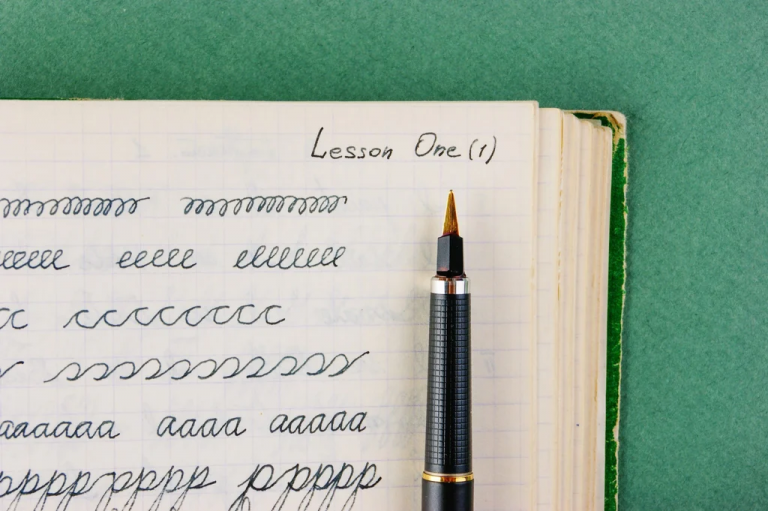
Let’s be real. You’re here because you’ve had that nagging feeling. You sat down to write an email, a report, or maybe the first page of a story you’ve been putting off, and the words just didn’t flow like they used to. Sentences felt clunky. Your brilliant vocabulary seemed to have packed its bags and gone on vacation. You’re left wondering: is it just a bad day, or have my writing skills become rusty from lack of practice?
The short answer is a definitive yes. Just like a musician who doesn’t rehearse or an athlete who stops training, a writer who doesn’t write will see their skills diminish. It’s not a myth; it’s a fundamental principle of how our brains work. But don’t panic! This isn’t a permanent condition. In this article, we’ll break down exactly why this happens, how to spot the signs, and most importantly, how to knock the rust off and get back to writing with confidence.

Quick Highlights
- Writing is a skill, and the “use it or lose it” principle absolutely applies.
- “Rust” shows up as struggling for words, clunky sentences, and more errors.
- Your brain doesn’t delete the skill; it just gets out of practice accessing it.
- It’s much faster to relearn and sharpen writing skills than to learn them from scratch.
- Consistent, small practices (like journaling) are more effective than occasional big efforts.
- Reading is passive practice—it actively helps keep your language skills fresh.
- The first step to fixing rusty writing skills is simply acknowledging it and starting again.
Table of Contents
Introduction
What Does “Rusty” Even Mean for a Writer?
Why Your Brain Lets Writing Skills Slip
5 Tell-Tale Signs Your Writing Skills Are Getting Rusty
How to Sharpen Your Skills and Get Your Groove Back
Frequently Asked Questions (FAQ)
What Does “Rusty” Even Mean for a Writer?
When we say writing skills have become rusty, we’re not talking about something physical. We’re talking about a decline in fluency and confidence. It’s the feeling that a task which once felt automatic now requires conscious effort.
Think of it like riding a bike after years away. You probably won’t forget how to balance completely, but you’ll be wobbly, hesitant, and might even fall. It’s the same with writing. The core knowledge is there, but the smooth, effortless execution is gone. You might find yourself pausing to remember a word you know you know, or spending way too long rephrasing a simple sentence.
Why Your Brain Lets Writing Skills Slip
This isn’t just a feeling; it’s neuroscience. Our brains are incredible efficiency machines. They strengthen the neural pathways we use most often and prune away the ones we neglect. This process is called synaptic pruning.
A 2017 study from the University of Jena highlighted how skill decay happens when we stop practicing complex tasks. Writing is the ultimate complex task—it involves vocabulary recall, grammar rules, logical structuring, and creative thinking all at once. When you stop practicing, your brain essentially says, “Well, we don’t need these specific connections to be super high-speed anymore,” and they slow down. The good news? Those pathways are still there. They just need to be reactivated.
5 Tell-Tale Signs Your Writing Skills Are Getting Rusty
How can you know for sure if you’re experiencing writing skill deterioration? Here are the most common symptoms:
- The Tip-of-the-Tongue Phenomenon: You know a perfect word exists, but you just can’t grab it. You end up using a simpler, less precise word instead.
- Clunky Sentence Structure: Your sentences feel awkward and long-winded. You have to read them back to yourself multiple times to untangle the meaning.
- Increased Grammar Doubts: You suddenly second-guess rules you were once sure of. Is it “who” or “whom”? Where does the comma go? This is a classic sign your intuition is out of practice.
- Loss of Flow: The writing process feels like a stop-start traffic jam instead of a smooth highway. You write a sentence, delete it, stare at the screen, and repeat.
- It Takes Way Longer: A task that used to take 30 minutes now takes an hour and a half. The increased time is a direct result of your brain working harder to access those rusty networks.
How to Sharpen Your Skills and Get Your Groove Back
The best part about all of this? It’s completely reversible. You can improve writing skills again and often faster than you think. Here’s how to start brushing off the rust:
- Start Small and Consistent: Don’t try to write a novel on day one. Commit to five minutes a day. A journal, a short diary entry, or even a thoughtful social media post counts as practice.
- Read Voraciously: This is passive practice for your writing brain. Pay attention to how your favorite authors construct their sentences and paragraphs.
- Try Freewriting: Set a timer for 10 minutes and write without stopping, editing, or judging. The goal is quantity, not quality. This helps break down mental blocks and get the words flowing again.
- Edit Old Work or Others’ Work: Actively analyzing text is a fantastic workout. Look for ways to make sentences clearer and more concise.
- Don’t Fear the Bad First Draft: Accept that your first attempt will be rusty. The magic happens in rewriting and editing.
| Practice Method | How It Helps | Time Commitment |
|---|---|---|
| Daily Journaling | Builds a consistent habit, low pressure. | 5-10 mins/day |
| Reading Aloud | Helps you hear clunky phrasing and errors. | 5 mins/day |
| Online Writing Prompts | Sparks creativity and gets you writing about new topics. | 15-20 mins/session |